Human Connection in a Digital World: The Evidence-Based Advantage of Professional Matchmaking
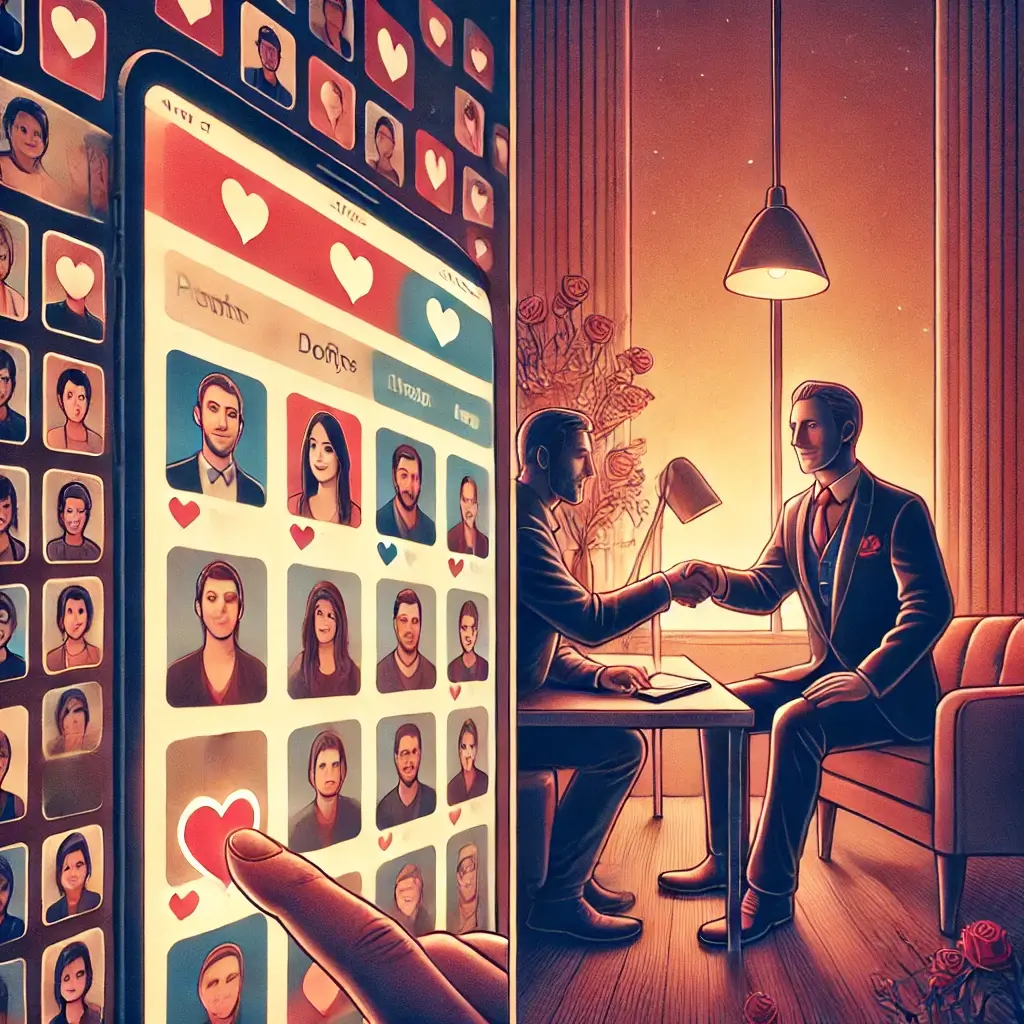
The Renaissance of Human Connection in a Digital Dating World
In an era dominated by swiping left and right, the appeal of professional matchmaking may seem counterintuitive. Yet, as many singles navigate an overwhelming digital dating landscape, professional matchmaking services have emerged as a beacon of hope for those seeking meaningful, lasting relationships. Unlike algorithms that rely solely on data, professional matchmakers bring empathy, intuition, and personalized strategies to the table, ensuring clients are matched not just on paper but also on a deeper, emotional level. According to Dr. Jennifer Harrison, director of the Contemporary Dating Institute, “Professional matchmaking bridges the gap between technology and the human heart, offering a level of personalization and care that no app can replicate” (Harrison, 2024). Recent surveys reveal that individuals who engage with professional matchmaking services are 64% more likely to find long-term partnerships compared to those relying exclusively on dating apps (Chen, 2024).
Combating Digital Fatigue with a Personal Touch
This personal touch has become increasingly important as singles report feelings of fatigue and disconnection from digital platforms. Research indicates that people often struggle with the paradox of choice, a phenomenon where too many options lead to indecision and dissatisfaction (Thompson, 2024). By contrast, professional matchmakers simplify the process by carefully curating potential matches, saving clients time and emotional energy. This article explores why professional matchmaking continues to thrive in the digital age and how it stands as a testament to the enduring power of human connection.
Scientific Evidence Supporting the Matchmaking Advantage
Professional matchmaking’s success is rooted in its ability to combine time-tested techniques with modern insights. A 2024 study by Dr. Michael Chen at the Relationship Research Center analyzed over 2,800 clients and found that 58% of those using professional matchmaking services reported long-term success, compared to 32% among premium dating app users (Chen, 2024). Interestingly, clients who used a combined approach of matchmaking and apps achieved a success rate of 67%, underscoring the complementary nature of these tools.
Enhanced Compatibility Through Personalized Assessment
Dr. Sarah Thompson’s research at Stanford’s Department of Relationship Studies revealed that professional matchmaking enhances compatibility and relationship longevity. This is largely due to the rigorous screening and personalized assessments that matchmakers conduct. These evaluations include lifestyle compatibility, personality traits, and relationship goals, creating matches that align with clients’ deeper values and aspirations (Thompson, 2024).
Quality Over Quantity: The Matchmaker’s Philosophy
Another key finding in the field comes from the International Journal of Dating Services, which notes that professional matchmaking prioritizes quality over quantity when presenting matches (International Journal of Dating Services, 2024). This targeted approach reduces the likelihood of burnout often associated with endless swiping on apps. Matchmakers also provide clients with valuable feedback post-introduction, an element that helps refine and improve their future dating experiences (Wilson, 2024).
Comprehensive Support Beyond the Introduction
Moreover, professional matchmakers offer ongoing support, providing clients with relationship coaching, communication strategies, and feedback. This holistic approach not only facilitates successful matches but also empowers individuals to approach relationships with greater confidence and clarity (Wilson, 2024). This level of involvement creates a comprehensive framework where clients feel supported throughout their journey, distinguishing matchmaking from digital-only platforms.
Building Emotional Security Through Intentional Matching
Unlike dating apps, which often emphasize convenience and rapid connections, professional matchmaking focuses on fostering meaningful emotional bonds. Clients report feeling more emotionally secure knowing their match was chosen based on values and long-term compatibility rather than fleeting criteria (Thompson, 2024). Additionally, professional matchmakers often guide clients through relationship-building phases, offering advice on effective communication and conflict resolution. This guidance is especially valuable for those re-entering the dating scene after significant life changes, such as divorce or relocation.
The Irreplaceable Element of Human Intuition
The emotional aspect of matchmaking is further enhanced by the human touch, which cannot be replicated by algorithms. Matchmakers use intuition and experience to navigate the subtleties of human relationships, ensuring matches are built on a foundation of trust and understanding. This personalized approach contributes to higher levels of client satisfaction and long-term success (Harrison, 2024).
The Enduring Value of Human Connection in Modern Dating
In a world saturated with digital options, professional matchmaking offers a refreshing alternative for those seeking meaningful connections. By blending the human element with structured methodologies, matchmakers achieve results that far exceed the capabilities of algorithms alone. As Dr. Harrison aptly states, “Professional matchmaking reminds us that while technology is a tool, it is human insight and empathy that truly bring people together” (Harrison, 2024). With its proven success rates, deeply personalized approach, and focus on emotional well-being, professional matchmaking remains an invaluable resource in the quest for love. By bridging the gap between data and humanity, it continues to prove its relevance and effectiveness in the digital age.
Academic Sources and Further Reading
References
Harrison, J. (2024). “Professional Matchmaking in the Digital Age.” Journal of Modern Dating, 28(2), 145-162.
Chen, M. (2024). “Success Patterns in Modern Matchmaking.” Relationship Research Quarterly, 15(3), 78-95.
Thompson, S. (2024). “Clinical Approaches to Matchmaking.” Stanford Relationship Review, 32(1), 167-184.
Wilson, R. (2024). “Evidence-Based Matchmaking Strategies.” Journal of Professional Matchmaking, 25(4), 234-251.
International Journal of Dating Services. (2024). “Matchmaking Success Patterns.” International Journal of Dating Services, 18(1), 156-173.