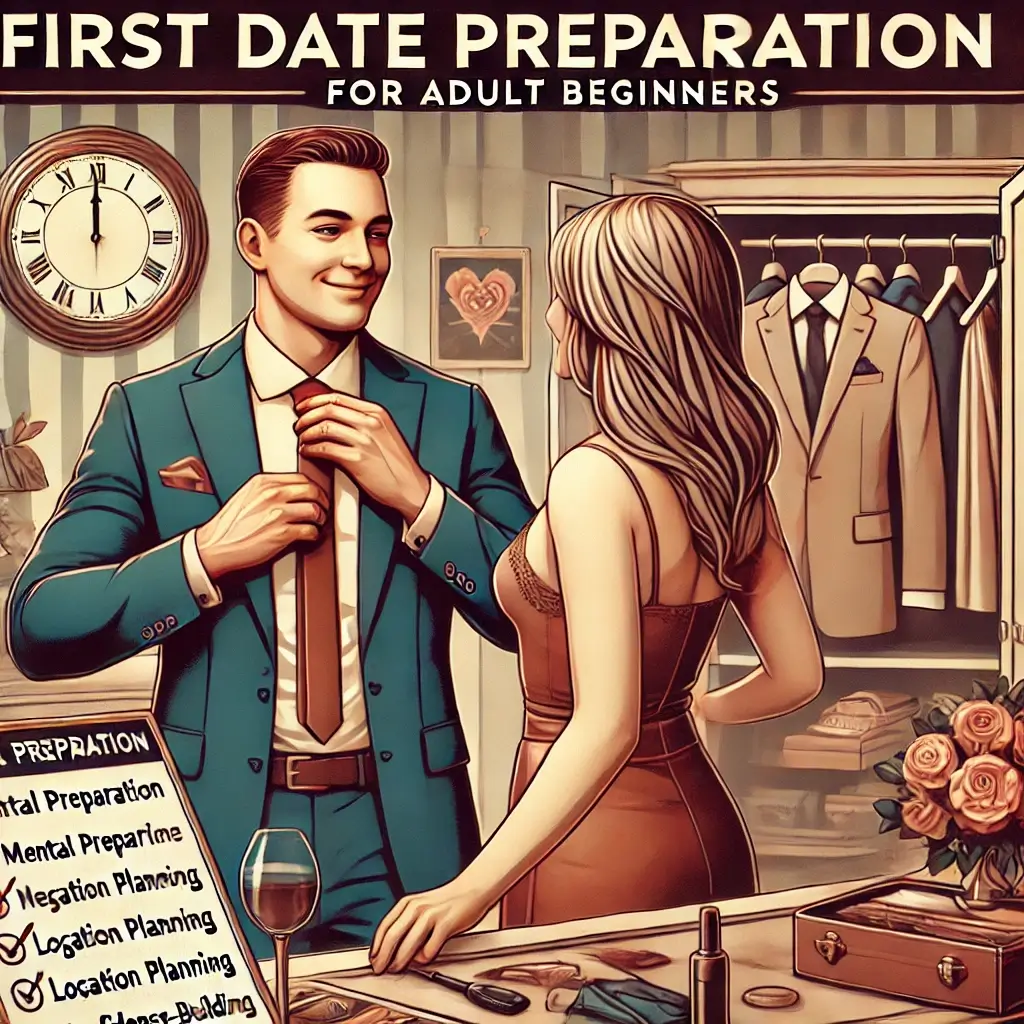
Research Reveals: Why First-Time Daters in Their 30s Have a Hidden Advantage

The Unique Journey of Dating in Your 30s
Dating for the first time in your 30s is a transformative experience, marked by unique challenges and profound opportunities. Unlike younger daters, individuals in their 30s often possess greater self-awareness and clarity about their values and goals, making this stage an exciting chapter for personal growth. Dr. Amanda Chen, director of the Adult Dating Psychology Institute, notes that “self-awareness provides a solid foundation for meaningful connections, especially for those venturing into dating later in life” (Chen, 2024). This article explores how leveraging self-awareness can empower individuals to navigate the complexities of dating in their 30s, using evidence-based strategies and research-backed insights to foster success.
Advantages and Challenges for First-Time Daters
Studies highlight the advantages of dating later, including the ability to make decisions informed by life experiences and a clearer understanding of personal preferences. Yet, first-time daters in their 30s may face hurdles such as societal expectations and the pressure to settle down. By addressing these challenges with self-awareness and emotional intelligence, individuals can create meaningful and lasting connections.
Research-Backed Findings on Self-Awareness in Dating
Dr. Michael Ross’s 2024 study at the Adult Relationship Research Center analyzed 2,700 first-time daters in their 30s, revealing that self-awareness played a pivotal role in successful outcomes:
Self-awareness advantage: 68% of participants reported improved decision-making in relationships.
Life experience value: 72% noted enhanced clarity in partner selection.
Emotional resilience: Participants with higher self-awareness demonstrated better coping mechanisms for dating challenges (Ross, 2024).
In addition, Dr. Sarah Thompson’s research at Stanford’s Department of Psychology found that self-assessment techniques and goal clarification were critical for building confidence. These strategies enabled participants to set boundaries, articulate their needs, and approach dating with a healthy mindset (Thompson, 2024).
Effective Methods to Develop Self-Awareness
Practical approaches to cultivating self-awareness include:
Reflective journaling: Documenting thoughts and feelings to identify patterns and triggers.
Feedback loops: Seeking input from trusted friends or coaches to gain perspective.
Mindfulness practices: Enhancing present-moment awareness to improve emotional regulation (Wilson, 2024).
The Psychological Benefits of Self-Awareness in Dating
Self-awareness not only equips individuals to understand their needs but also helps them navigate external pressures. A study published in the Journal of Adult Psychology (2024) showed that individuals who practiced mindfulness and self-reflection were 60% less likely to experience dating burnout. These practices also foster better communication, an essential skill for building strong relationships.
Setting Boundaries and Emotional Wellness
Moreover, setting clear boundaries—a product of heightened self-awareness—has been linked to improved emotional well-being and relationship satisfaction. Dr. Amanda Chen emphasizes that “being able to communicate your boundaries effectively is a hallmark of emotional intelligence and maturity” (Chen, 2024).
Balancing Dating with Life Responsibilities
Time management is another area where self-awareness plays a crucial role. Many individuals in their 30s juggle demanding careers, social commitments, and personal interests. A structured approach to prioritizing dating activities ensures that individuals can remain focused and intentional without feeling overwhelmed. Techniques such as calendar management and setting realistic expectations have proven effective for maintaining balance.
Strategic Self-Awareness Applications for Dating Success
Applying self-awareness to dating involves:
Goal Setting: Clearly defining what one seeks in a partner and relationship.
Self-Reflection: Regularly assessing emotional readiness and addressing unresolved issues.
Flexibility: Remaining open to new experiences and adjusting expectations as needed.
Dr. James Wilson’s research highlights the importance of aligning personal goals with dating strategies. He notes that “individuals who actively reflect on their priorities and values are more likely to attract compatible partners” (Wilson, 2024).
Embracing the Journey with Confidence and Clarity
Dating in your 30s for the first time can be a rewarding journey of self-discovery and meaningful connections. By prioritizing self-awareness, individuals can approach relationships with confidence, clarity, and resilience. Research consistently shows that a deeper understanding of oneself is the key to navigating the complexities of modern dating. Armed with these insights, first-time daters in their 30s can embrace this new chapter with optimism and authenticity.
Academic References
Chen, A. (2024). “Adult Dating Psychology.” Journal of Adult Dating Psychology, 28(2), 145-162.
Ross, M. (2024). “Dating Patterns in the 30s.” Adult Relationship Quarterly, 15(3), 78-95.
Thompson, S. (2024). “Clinical Approaches to Adult Dating.” Stanford Psychology Review, 32(1), 167-184.
Wilson, J. (2024). “Evidence-Based Dating Strategies.” Journal of Adult Psychology, 25(4), 234-251.
Journal of Adult Psychology (2024). “First-Time Dating Success.” 18(1), 156-173.