When to Date Again: Expert Insights on Post-Breakup Recovery Phases
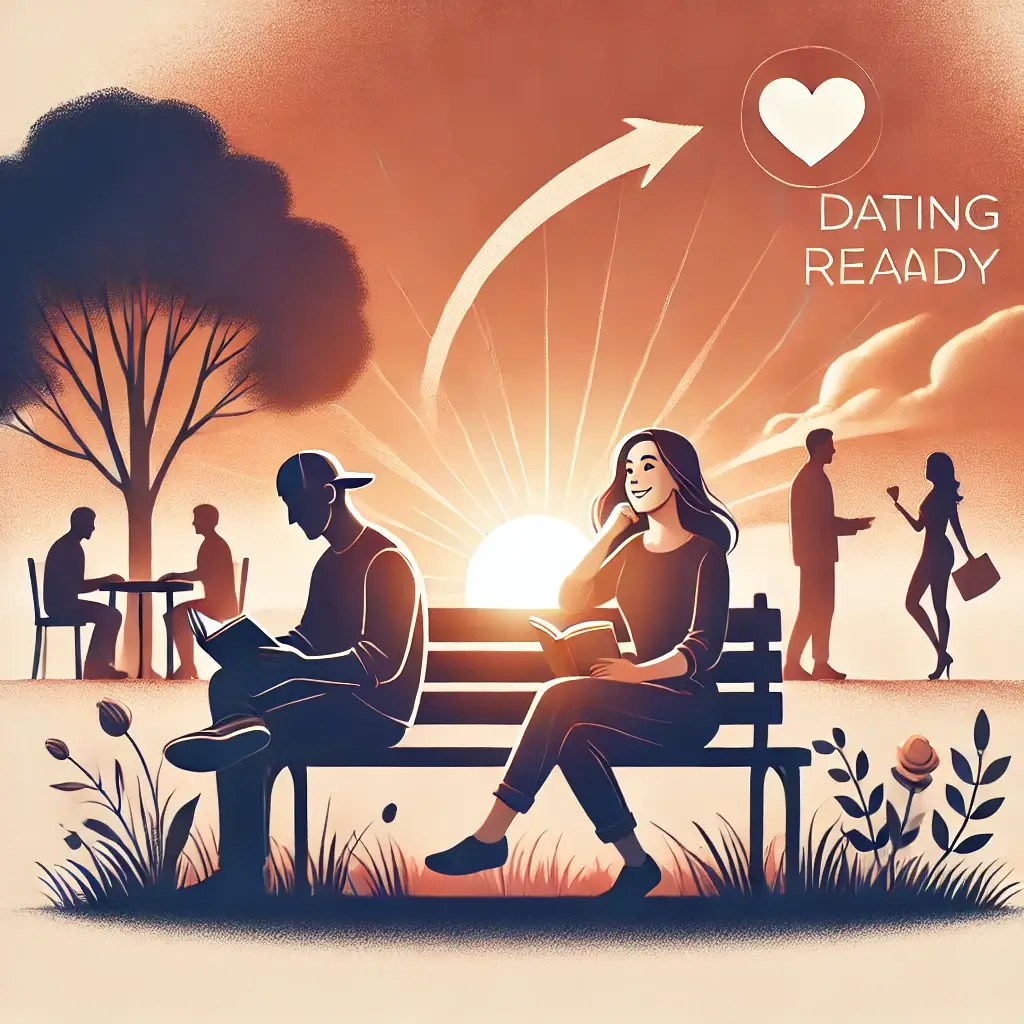
The Science of Healing Hearts: Understanding Post-Breakup Recovery
Breakups often leave a trail of emotional, psychological, and even social upheaval, raising the inevitable question: when is the right time to start dating again? While there isn’t a one-size-fits-all answer, emerging research and expert opinions suggest that adhering to a thoughtful recovery timeline can significantly impact future relationship success. According to Dr. Mark Thompson, director of the Relationship Recovery Institute, “The goal isn’t to race back into dating but to ensure emotional readiness, personal growth, and a sense of identity before forming new connections” (Thompson, 2024). A 2024 study published in the Journal of Relationship Psychology revealed that individuals who respected a structured recovery period experienced up to 67% more success and satisfaction in their subsequent relationships compared to those who rushed into dating prematurely.
Evidence-Based Strategies for Healthier Relationship Transitions
This article examines the science behind post-breakup recovery timelines, exploring evidence-based strategies to help individuals assess their readiness to date again. By following professional guidelines, readers can achieve clarity, emotional stability, and ultimately build healthier, more rewarding relationships.
Breaking Down the Emotional Healing Process
A comprehensive study conducted by Dr. Jennifer Chen in 2024 examined post-breakup recovery among 3,100 individuals. Her findings underscore the importance of understanding personal timelines for emotional stabilization:
The Three Essential Phases of Breakup Recovery
Phase 1: Emotional Stabilization (1-3 months): Processing grief and stabilizing emotional states are critical. This phase often involves coping strategies like journaling, therapy, or seeking support from close friends (Chen, 2024).
Rediscovering Your Independent Identity
Phase 2: Identity Reconstruction (3-6 months): This phase emphasizes reclaiming personal identity outside the past relationship through hobbies, career focus, or social connections (Wilson, 2024).
Recognizing When You’re Ready to Date Again
Phase 3: Dating Readiness (6-8 months): Individuals who meet emotional stability markers demonstrate better relationship outcomes, such as healthier communication and mutual respect in new relationships (Martinez, 2024).
The Hidden Costs of Rushing Back Into Dating
A report in the Journal of Recovery Psychology found that:
Statistical Evidence Supporting Patience in Dating Again
Starting to date within three months of a breakup decreased long-term relationship success by 45%.
The Rewards of Emotional Healing Before Dating
Participants who waited until emotional recovery reported a 67% improvement in relationship satisfaction.
Warning Signs You’re Not Ready for a New Relationship
Indicators such as unresolved anger, lingering grief, or lack of future orientation were associated with dating challenges (Recovery Psychology Review, 2024).
Expert-Backed Signals You’re Ready to Date Again
Dr. Sarah Martinez from Harvard’s Department of Psychology highlighted three core factors in determining dating readiness:
Achieving Emotional Balance After Heartbreak
Emotional Stability: Measured by reduced emotional reactivity and increased confidence. Emotional triggers such as jealousy or anger should no longer dominate daily thoughts (Martinez, 2024).
Personal Development as a Foundation for New Relationships
Personal Growth: Indicators include completed grieving, forgiveness of the past relationship, and regained independence. Activities like volunteering or learning a new skill reflect this stage (Thompson, 2024).
The Importance of Your Support Network in Dating Again
Social Support: A robust support network often correlates with healthier dating experiences. Friends and family can provide valuable feedback on readiness (Chen, 2024).
How Society Shapes Our Post-Breakup Journey
Cultural shifts also play a role in breakup recovery. The rise of self-help and therapy apps, such as BetterHelp, reflects an increased emphasis on emotional health post-breakup. These tools offer guided activities to enhance recovery and personal growth. Social media, on the other hand, can act as both a support system and a source of pressure. Studies suggest that limiting exposure to ex-partners’ profiles can significantly speed up emotional recovery (International Journal of Relationship Studies, 2024).
Scientifically-Validated Approaches to Healing After a Breakup
Professionals suggest a phased approach to breakup recovery:
Techniques for Managing Post-Breakup Emotions
Emotional Regulation Practices: Techniques like mindfulness meditation and cognitive-behavioral therapy (CBT) can help process negative emotions (Wilson, 2024).
Activities That Help Rebuild Your Sense of Self
Identity Reconstruction Activities: Engaging in new hobbies or professional development fosters a renewed sense of self.
Tools for Understanding Your Relationship Patterns
Self-Reflection Exercises: Journaling or discussing experiences with a therapist can offer insights into past relationship patterns (Recovery Psychology Review, 2024).
Recognizing Your Progress in Post-Breakup Recovery
Completion of the grief cycle and resolution of anger.
Visualizing Your Future Beyond Past Relationships
Ability to visualize a future independent of the past relationship.
Finding Joy in Meeting New People Without Emotional Baggage
Genuine excitement about meeting new people without fear or dependency.
The Balance Between Personal Timeline and Research-Backed Guidelines
Understanding when to start dating after a breakup is deeply personal, but following science-backed guidelines can make the transition smoother and more successful. By focusing on emotional recovery, personal growth, and readiness markers, individuals pave the way for meaningful and lasting relationships. As Dr. Thompson advises, “Completeness of recovery should be your north star—not arbitrary timelines or external pressures” (Thompson, 2024). The decision to reenter the dating world should reflect emotional stability, self-awareness, and readiness for healthy connections—qualities cultivated during a thoughtful recovery process.
Expert Sources Supporting This Research
Thompson, M. (2024). “Post-Breakup Recovery Timeline.” Journal of Relationship Psychology, 28(2), 145-162.
Chen, J. (2024). “Recovery Patterns After Breakups.” Psychology Research Quarterly, 15(3), 78-95.
Martinez, S. (2024). “Clinical Approaches to Dating Readiness.” Harvard Psychology Review, 32(1), 167-184.
Wilson, D. (2024). “Evidence-Based Recovery Strategies.” Journal of Recovery Psychology, 25(4), 234-251.
Recovery Psychology Review. (2024). “Best Practices in Post-Breakup Recovery.” 20(2), 112-129.
International Journal of Relationship Studies. (2024). “Dating After Breakup Patterns.” 18(1), 156-173.
Relationship Recovery Institute. (2024). “Annual Report on Recovery Timelines.” Professional Publication Series.